
Sahiwal
Also known as: Lambi Bar, Montgomery, Lola
Regarded as the best indigenous dairy breed of India. Sahiwal is used across Asia and Africa to grade up local cattle because it combines high yield with tropical hardiness.
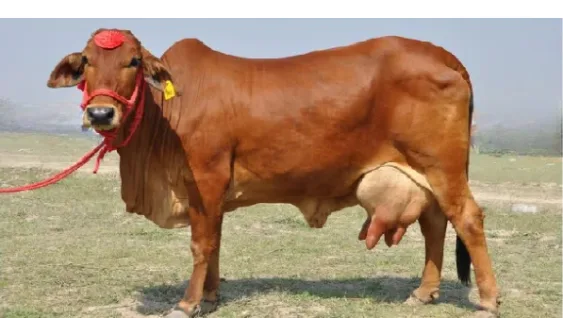 SAHIWAL
Physical Characteristics
- Colour: reddish dun to pale red, sometimes with white patches
- Loose, pliable skin with a heavy dewlap and large sheath
- Massive body with short legs and a stumpy appearance
- Horns are short and thick; often loose horns in females
- Calm, lethargic temperament — easy to handle
Benefits for Farmers
Highest milk yield among Indian zebu breeds under village conditions
Strong resistance to ticks, parasites and tropical disease
Widely used in crossbreeding programmes for tropical dairying
Maintains yield on ordinary green fodder and crop residue
Improve your herd with Sahiwal genetics
Artificial insemination with proven Sahiwal semen is the fastest and cheapest way to upgrade a local herd — no bull to maintain, no disease risk, and a measurable jump in yield within one generation. Our AI training covers semen handling, heat detection, insemination technique and follow-up.
Breed Profile
- Species
- Cattle
- Utility
- Milk
- Home Tract
- Fazilka and Ferozepur districts; originally the Montgomery region
- Found In
- Punjab Haryana Rajasthan
- Yield
- 2,000–3,000 kg per lactation; 4.5% fat
Other Cattle Breeds
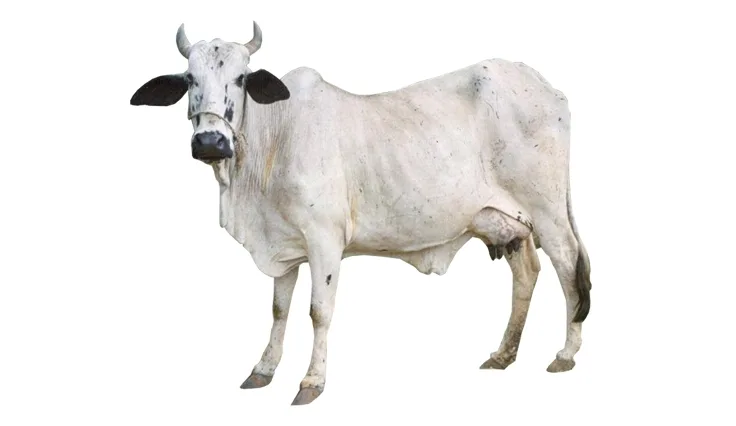 BECHAUR
Draught
BECHAUR
Draught
Bachaur
Bihar
An indigenous draught breed of north Bihar, named after the Bachaur region of Sitamarhi. It is closely related to Hariana and is prized locally for tireless bullocks.
350–500 kg per lactation (cows are modest milkers)
View Details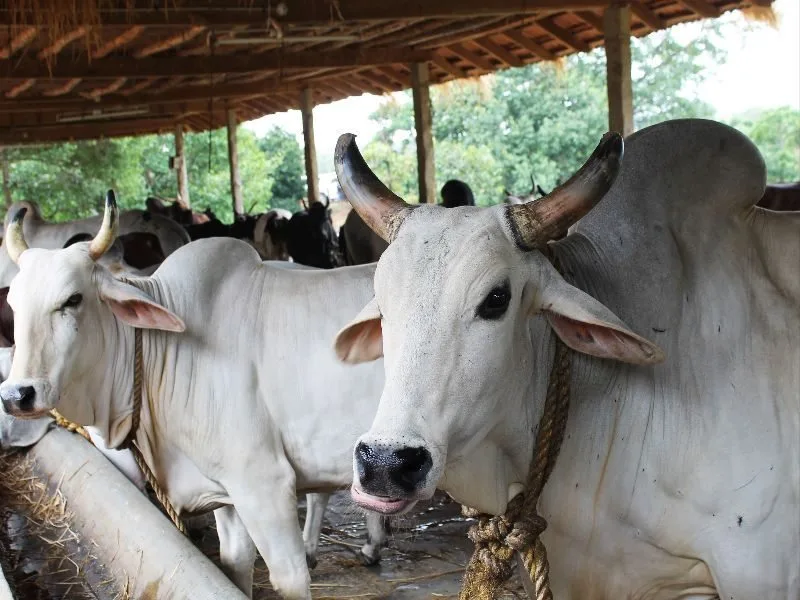 GANGATIRI
Dual Purpose
GANGATIRI
Dual Purpose
Gangatiri
Bihar, Uttar Pradesh
A hardy dual-purpose breed of the Ganga basin, well suited to Bihar's paddy–wheat farming systems. It gives dependable milk while producing sturdy bullocks.
900–1,500 kg per lactation; 4.3% fat
View Details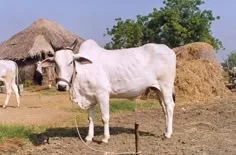 ONGOLE
Dual Purpose
ONGOLE
Dual Purpose
Ongole
Andhra Pradesh
A large, majestic white breed known for muscular strength and a proud carriage. Ongole is the ancestor of the American Brahman and is prized across Latin America.
600–1,500 kg per lactation; 4.8% fat
View DetailsNeed course guidance?
Our team is ready to help you choose the right training program.