
Gangatiri
Also known as: Eastern Hariana, Shahabadi
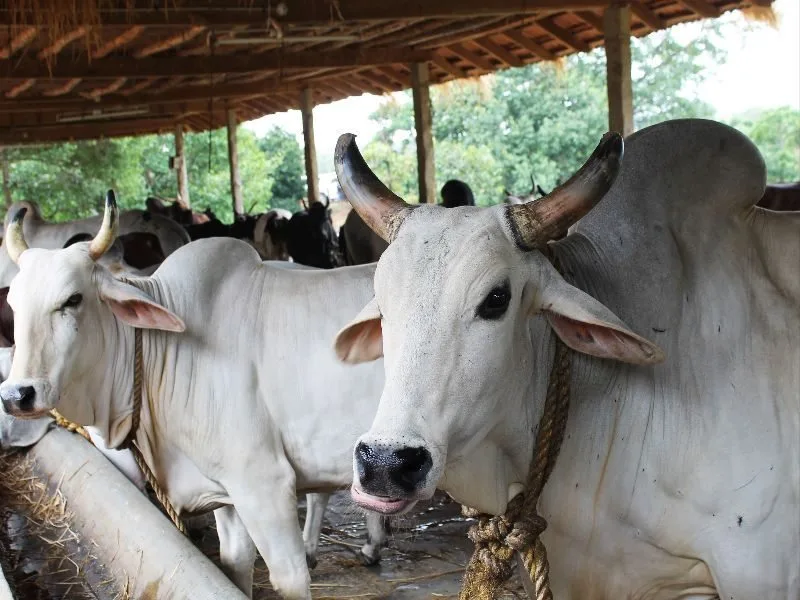
A hardy dual-purpose breed of the Ganga basin, well suited to Bihar's paddy–wheat farming systems. It gives dependable milk while producing sturdy bullocks.
 GANGATIRI
Physical Characteristics
- Colour: white to grey-white; grey shading on the neck and hump in males
- Medium sized, compact body with a short, straight face
- Small, stumpy horns emerging outward and upward
- Black hooves, muzzle, eyelids and tail switch
Benefits for Farmers
Native to Bihar — fully adapted to local climate, fodder and management
Dual output of milk and draught power from the same herd
Disease resistant and thrives on rice straw based feeding
Priority breed for conservation and AI-based genetic improvement
Improve your herd with Gangatiri genetics
Artificial insemination with proven Gangatiri semen is the fastest and cheapest way to upgrade a local herd — no bull to maintain, no disease risk, and a measurable jump in yield within one generation. Our AI training covers semen handling, heat detection, insemination technique and follow-up.
Breed Profile
- Species
- Cattle
- Utility
- Dual Purpose
- Home Tract
- Gangetic plains — Buxar, Bhojpur, Rohtas, Kaimur and adjoining Varanasi, Ghazipur, Ballia
- Found In
- Bihar Uttar Pradesh
- Yield
- 900–1,500 kg per lactation; 4.3% fat
Other Cattle Breeds
 ONGOLE
Dual Purpose
ONGOLE
Dual Purpose
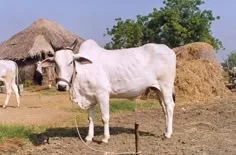
Ongole
Andhra Pradesh
A large, majestic white breed known for muscular strength and a proud carriage. Ongole is the ancestor of the American Brahman and is prized across Latin America.
600–1,500 kg per lactation; 4.8% fat
View Details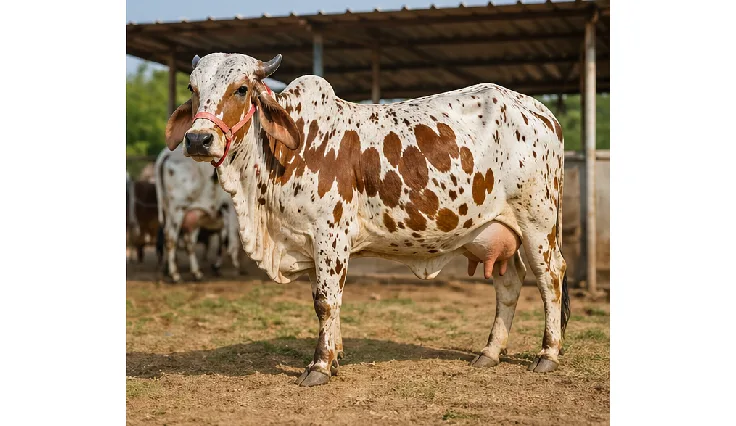 RATHI
Milk
RATHI
Milk
Rathi
Rajasthan
Named after the Rath community of north-west Rajasthan, this breed carries Sahiwal, Red Sindhi and Tharparkar blood and is the leading milch breed of the arid zone.
1,000–1,800 kg per lactation; 4.5% fat
View Details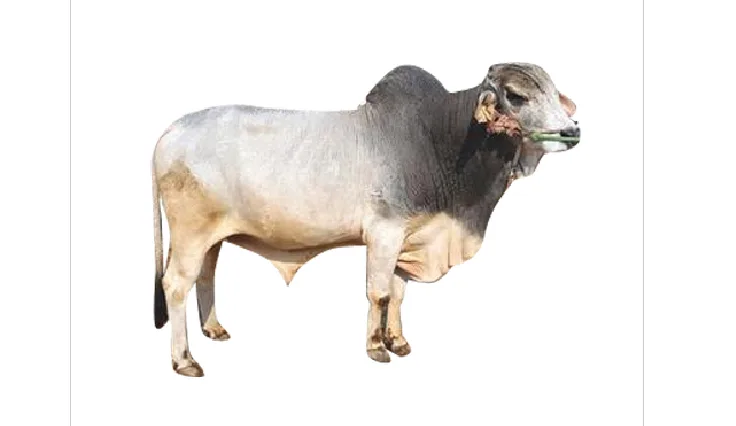 THARPARKAR
Dual Purpose
THARPARKAR
Dual Purpose
Tharparkar
Rajasthan, Gujarat
A dual-purpose desert breed that gives useful milk while producing strong draught bullocks. It survives on sparse desert grazing and scarce water.
1,200–2,500 kg per lactation; 4.9% fat
View DetailsNeed course guidance?
Our team is ready to help you choose the right training program.