
Kankrej
Also known as: Wadhiar, Wadhir, Nagar
The heaviest Indian draught breed and a strong milker. Kankrej was exported to the USA and Brazil, where it contributed to the Brahman and Guzerat breeds.
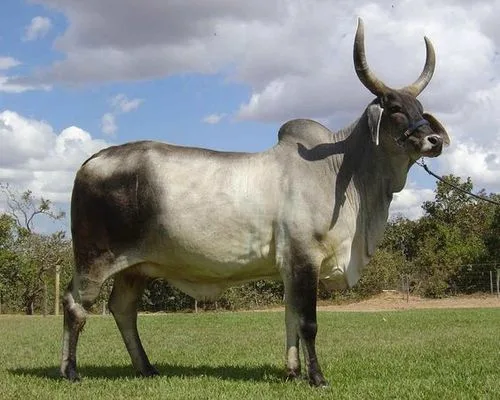
Physical Characteristics
- Colour: silver-grey to iron-grey or steel black
- Large, powerful frame with a strong hump and pendulous dewlap
- Lyre-shaped horns curving upward and outward in a graceful sweep
- Famous "sawai chaal" — a swinging 1¼ trot gait unique to the breed
Benefits for Farmers
Bullocks are fast, powerful and tireless for ploughing and carting
Cows give a good milk yield alongside heavy draught output
Highly tolerant of heat, drought and long-distance walking
Foundation stock for tropical beef and dual-purpose breeds worldwide
Improve your herd with Kankrej genetics
Artificial insemination with proven Kankrej semen is the fastest and cheapest way to upgrade a local herd — no bull to maintain, no disease risk, and a measurable jump in yield within one generation. Our AI training covers semen handling, heat detection, insemination technique and follow-up.
Breed Profile
- Species
- Cattle
- Utility
- Dual Purpose
- Home Tract
- Banaskantha, Mehsana, Kachchh and the adjoining Barmer–Jalore belt
- Found In
- Gujarat Rajasthan
- Yield
- 1,300–1,800 kg per lactation; 4.8% fat
Other Cattle Breeds
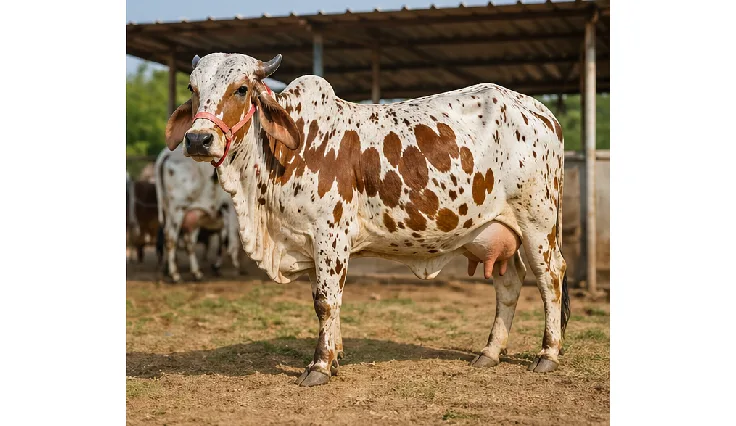 RATHI
Milk
RATHI
Milk
Rathi
Rajasthan
Named after the Rath community of north-west Rajasthan, this breed carries Sahiwal, Red Sindhi and Tharparkar blood and is the leading milch breed of the arid zone.
1,000–1,800 kg per lactation; 4.5% fat
View Details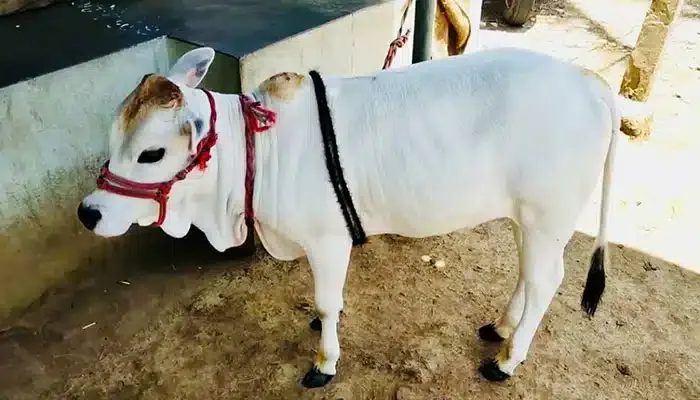 PUNGANUR
Milk
PUNGANUR
Milk
Punganur
Andhra Pradesh
One of the world's smallest humped cattle breeds and among the rarest, with only a few thousand animals surviving under conservation programmes.
400–600 kg per lactation; 5% fat
View Details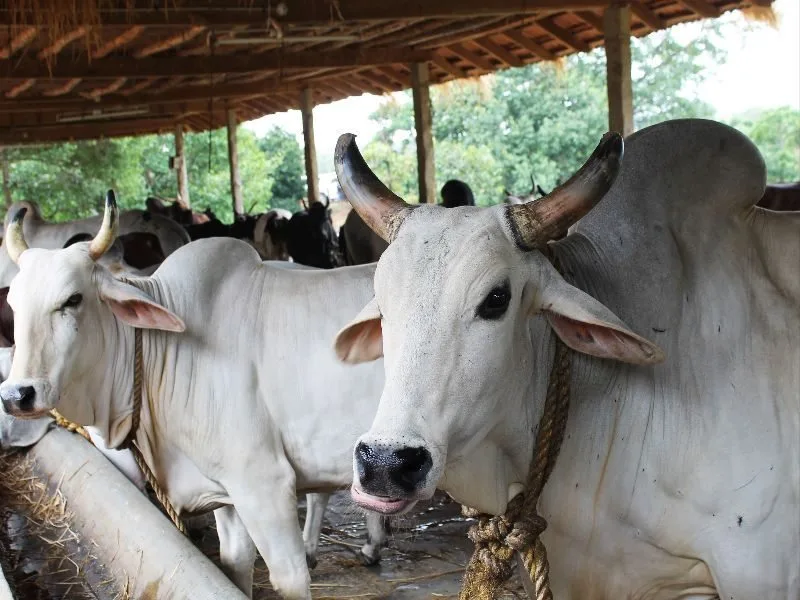 GANGATIRI
Dual Purpose
GANGATIRI
Dual Purpose
Gangatiri
Bihar, Uttar Pradesh
A hardy dual-purpose breed of the Ganga basin, well suited to Bihar's paddy–wheat farming systems. It gives dependable milk while producing sturdy bullocks.
900–1,500 kg per lactation; 4.3% fat
View DetailsNeed course guidance?
Our team is ready to help you choose the right training program.