
Jaisalmeri
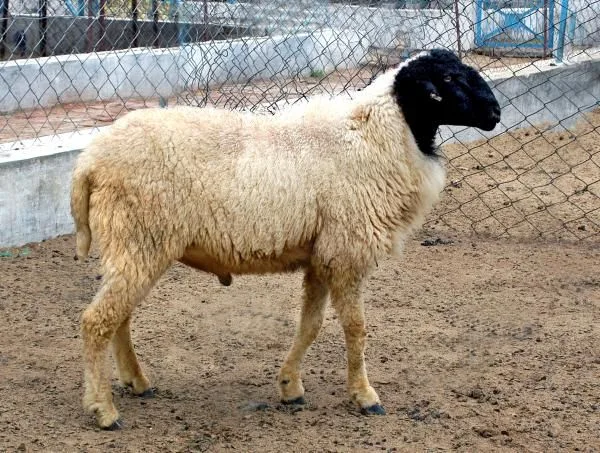
A tall, elegant desert sheep, well built for long migration and known for good carpet wool from very sparse desert grazing.
 Jaisalmeri
Physical Characteristics
- Colour: white with a black or brown face and long legs
- Tall stature suited to walking long distances
- Ears are long, flat and drooping
- Medium fleece; 32 kg (female), 40 kg (male)
Benefits for Farmers
Exceptional walking ability for migratory desert grazing
Produces good carpet wool despite extreme feed scarcity
Tolerates prolonged water deprivation
Combines wool income with a strong mutton market
Improve your herd with Jaisalmeri genetics
Artificial insemination with proven Jaisalmeri semen is the fastest and cheapest way to upgrade a local herd — no bull to maintain, no disease risk, and a measurable jump in yield within one generation. Our AI training covers semen handling, heat detection, insemination technique and follow-up.
Breed Profile
- Species
- Sheep
- Utility
- Wool
- Home Tract
- Jaisalmer, Barmer and Jodhpur
- Found In
- Rajasthan
- Yield
- Wool: 1.0–1.5 kg per year
Other Sheep Breeds
 Chokla
Wool
Chokla
Wool
Chokla
Rajasthan
Widely regarded as producing the best carpet wool in the country, with a fine, dense fleece and a distinctive bare reddish-brown face.
Wool: 1.0–1.5 kg per year; fibre 25–30 microns
View Details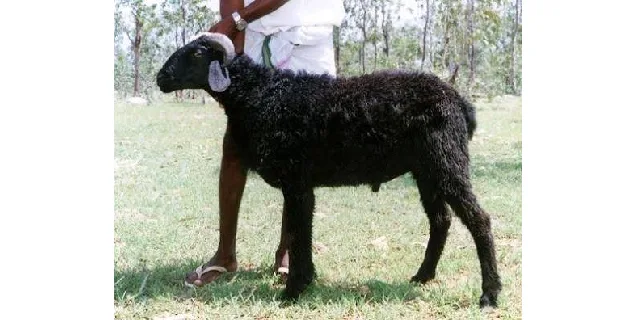 Deccani
Mutton & Wool
Deccani
Mutton & Wool
Deccani
Maharashtra, Karnataka +2
The dominant sheep of the Deccan plateau, herded by the Dhangar community in large migratory flocks that fertilise farmland as they move.
Wool: ~0.5 kg per year (coarse); mutton is the main product
View Details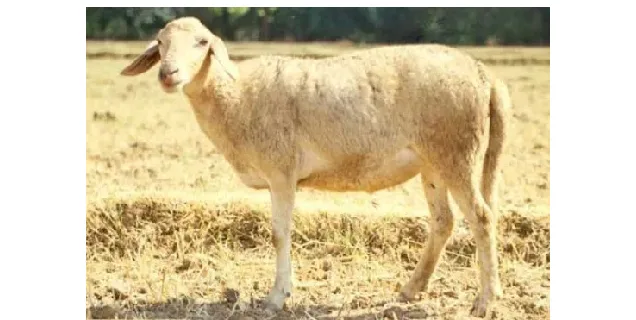 Shahabadi
Mutton & Wool
Shahabadi
Mutton & Wool
Shahabadi
Bihar
The native sheep of the Shahabad region of Bihar, kept for mutton and coarse wool by smallholder and landless flocks in the Gangetic plain.
Wool: ~0.5–0.8 kg per year (coarse); reared mainly for mutton
View DetailsNeed course guidance?
Our team is ready to help you choose the right training program.