
Jamunapari
Also known as: Jamnapari, Ram Sagar
The tallest and most majestic Indian goat, often called the "queen of Indian goats". It was exported to develop the Anglo-Nubian breed and is used worldwide to improve dairy goats.
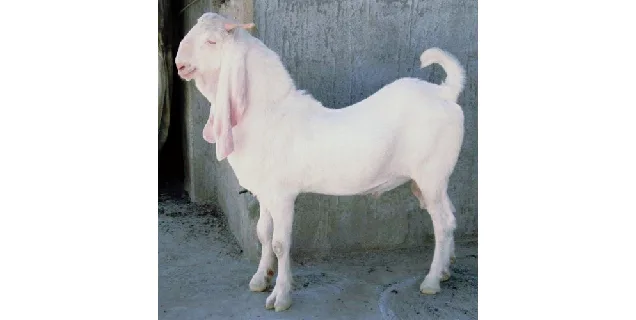 Jamunapari
Physical Characteristics
- Colour: white with light brown or tan patches on the neck and head
- Highly convex "Roman nose" with a prominent tuft of hair on the poll
- Very long, flat, pendulous ears — 25–30 cm, folded and drooping
- Tall — up to 90 cm at the withers; 45 kg (female), 65 kg (male)
Benefits for Farmers
Highest milk yield among Indian goat breeds
Large body frame gives excellent meat and breeding value
Bucks command very high prices for breeding and export
Improves the milk yield of local goats through crossbreeding
Improve your herd with Jamunapari genetics
Artificial insemination with proven Jamunapari semen is the fastest and cheapest way to upgrade a local herd — no bull to maintain, no disease risk, and a measurable jump in yield within one generation. Our AI training covers semen handling, heat detection, insemination technique and follow-up.
Breed Profile
- Species
- Goat
- Utility
- Milk & Meat
- Home Tract
- Yamuna–Chambal ravines — Etawah, Agra, Bhind, Morena
- Found In
- Uttar Pradesh Madhya Pradesh
- Yield
- Milk: 2.0–2.5 kg per day; lactation 200–280 kg
Other Goat Breeds
 Jakhrana
Milk
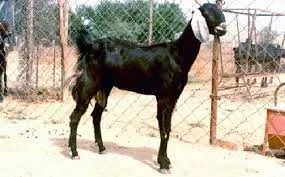
Jakhrana
Milk
Jakhrana
Rajasthan
A high-yielding dairy goat resembling a large Beetal, restricted to a small tract around Alwar. It is one of the top milk producers among Indian goats.
Milk: 2.0–2.5 kg per day; lactation 150–200 kg
View Details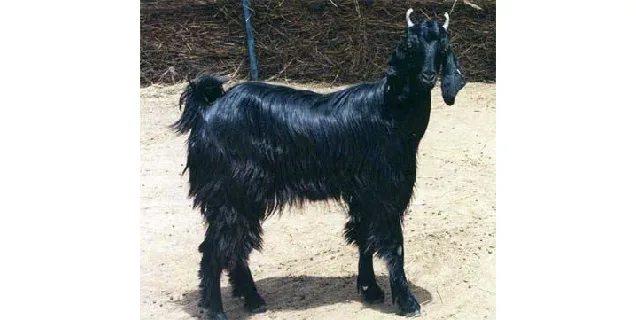 Marwari
Meat & Hair
Marwari
Meat & Hair
Marwari
Rajasthan, Gujarat +1
A jet-black desert goat with long, flowing hair. It is one of the toughest breeds in India, browsing on desert thorn scrub where nothing else survives.
Milk: ~0.7 kg per day; hair: 0.8–1.0 kg per year
View Details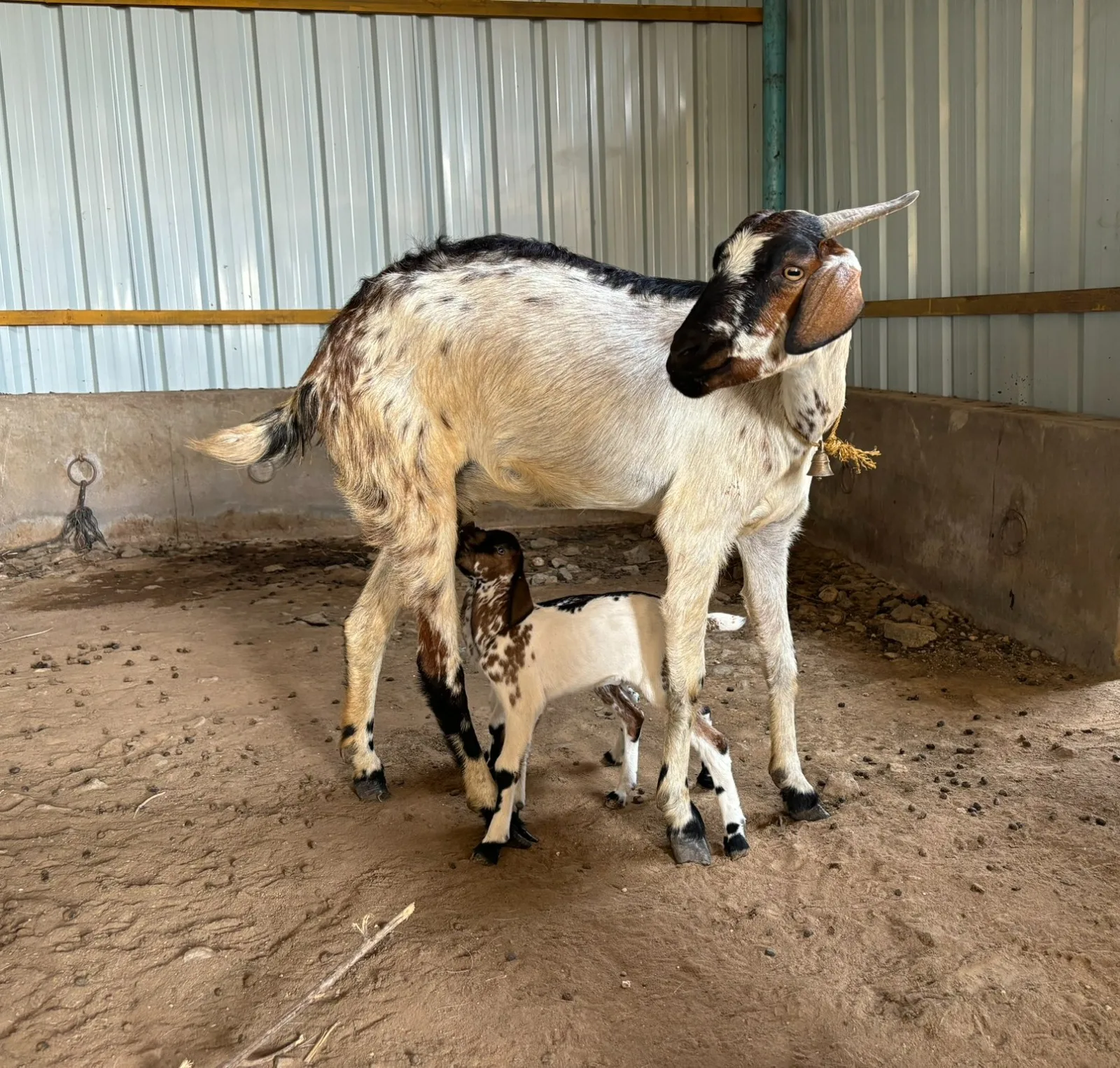 Meat
Meat
Kanni Adu
Tamil Nadu
A tall, elegant, black-and-white meat goat of southern Tamil Nadu, known for a long lean frame and excellent growth on browse.
Meat-focused; kids grow fast to market weight
View DetailsNeed course guidance?
Our team is ready to help you choose the right training program.